

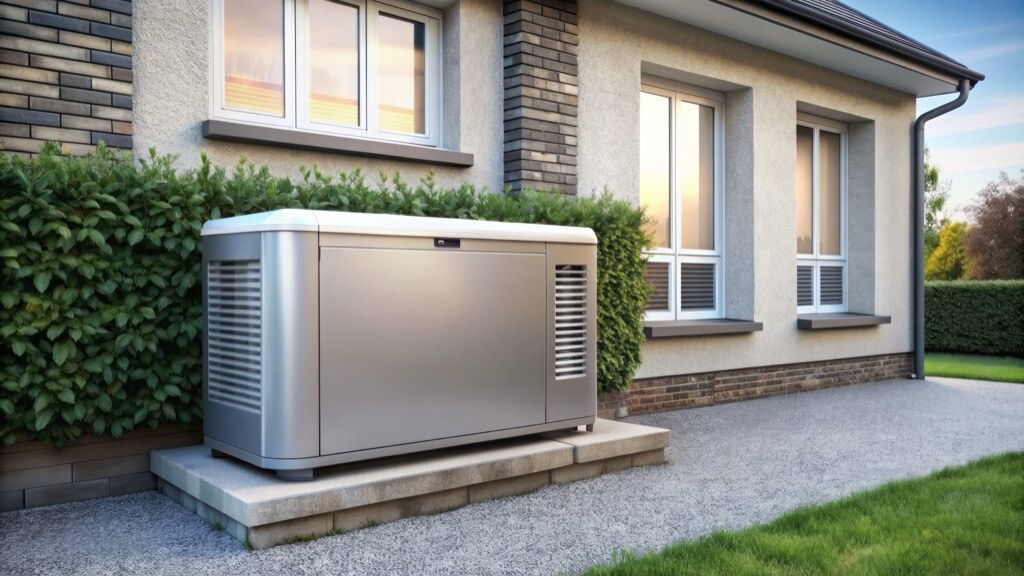
Understanding System Types and Fuel Options for Local Homes
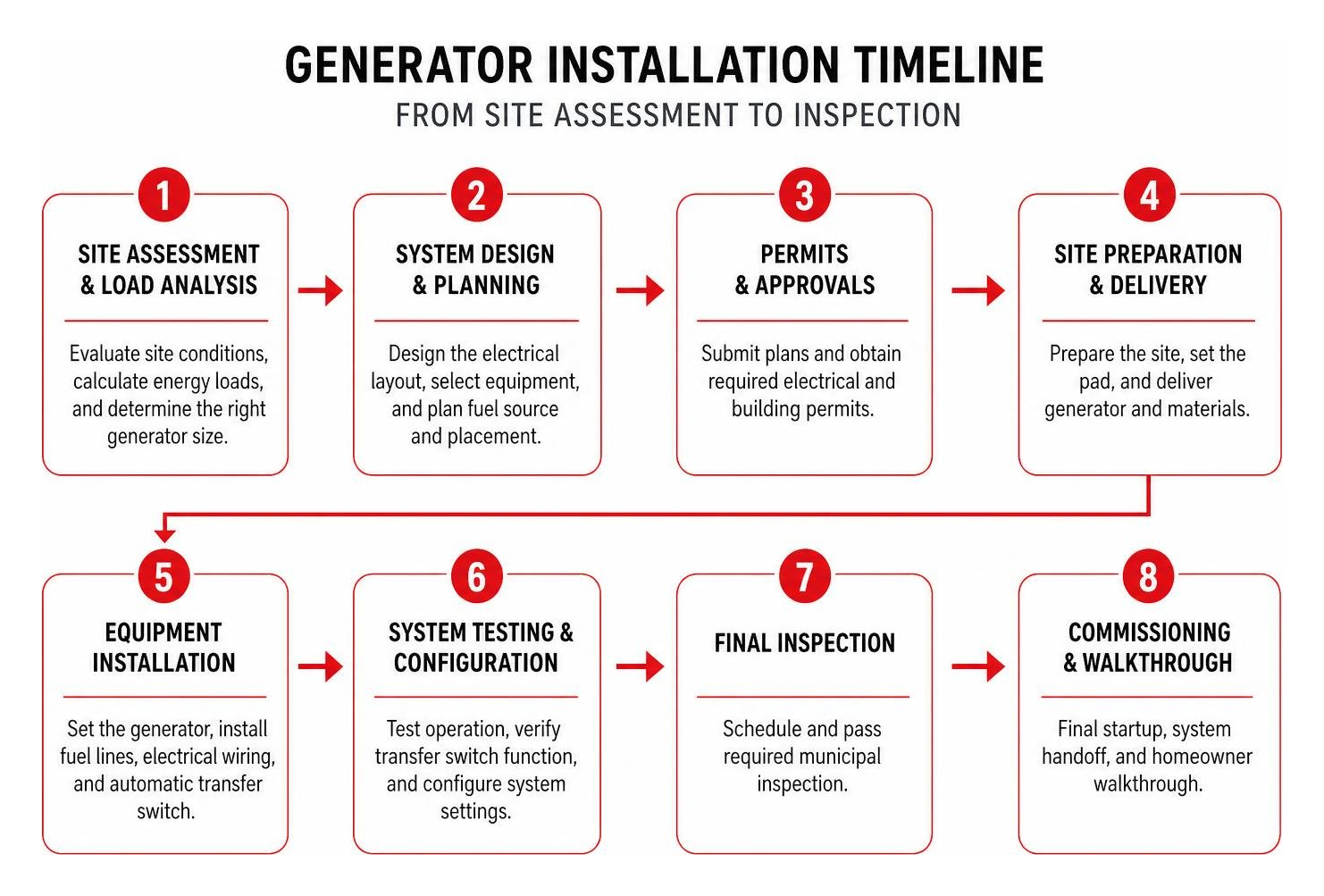
Professional generator installation in Columbus typically takes two to three weeks from start to finish. The process begins with a full electrical load assessment and site plan, followed by municipal permit review. Once permits are issued, certified technicians prepare the site, place the pad, connect fuel piping, wire the automatic transfer switch, and complete final inspections.
Selecting the right backup power setup starts with understanding your home’s electrical demand and deciding what should stay on during an outage. Some homeowners want to cover only essential circuits, while others want enough capacity to keep most daily routines running.
A portable unit can help with short-term needs, but it requires manual setup, outdoor operation, and regular refueling. Homeowners comparing options can use this guide to choose the right home generator based on their outage needs, fuel access, and preferred level of automation.
| Feature / Metric | Portable Generator | Partial-Home Standby | Whole-House Standby |
|---|---|---|---|
| Typical Capacity Range | 3 kW – 10 kW | 10 kW – 18 kW | 22 kW – 48 kW |
| Activation Method | Manual setup and pull/push start | Automatic Transfer Switch (ATS) | Automatic Transfer Switch (ATS) |
| Fuel Delivery | Gasoline cans or portable LP tanks | Natural gas line or dedicated LP tank | Natural gas line or dedicated LP tank |
| Circuit Coverage | Selected cords or manual interlock | Critical sub-panel (sump, fridge, heat) | Whole electrical panel with load shed |
| Storm Management | Must operate outside in bad weather | Hands-free, self-contained operation | Hands-free, self-contained operation |
Comparing Portable, Partial-Home, and Whole-House Standby Units
Portable models provide basic, short-term utility. They need manual setup, fuel refills in bad weather, and safe connections with heavy-duty cords or an approved interlock kit. They also cannot protect your home if an outage starts while you are away.
Permanent standby units connect directly to your electrical service panel. This overview of how backup generators work explains how the system monitors utility power and responds automatically when an outage occurs.
When utility voltage drops, the standby unit starts, and the transfer switch isolates your home from the grid within seconds. Larger whole-home systems can support major loads, such as central AC, electric water heaters, ovens, and sump pumps, while smart load management helps prevent overloads.
Natural Gas vs. Propane: Fuel Infrastructure and Operating Costs
Standby generators run on continuous fuel sources, usually natural gas or liquid propane (LP). Natural gas comes through utility infrastructure, which can provide a steady fuel supply during severe weather without requiring a delivery.
Propane is a practical option for properties without natural gas service. LP is stored in aboveground or underground tanks, so homeowners need to monitor fuel levels during extended outages. Dual-fuel configurations can offer added flexibility when local conditions change.
Complete Process and Timeline for Generator Installation Columbus
A professional installation requires planning across electrical, mechanical, and municipal phases. The physical work usually takes 12 to 16 labor hours across several specialized stages to support safety and code compliance.
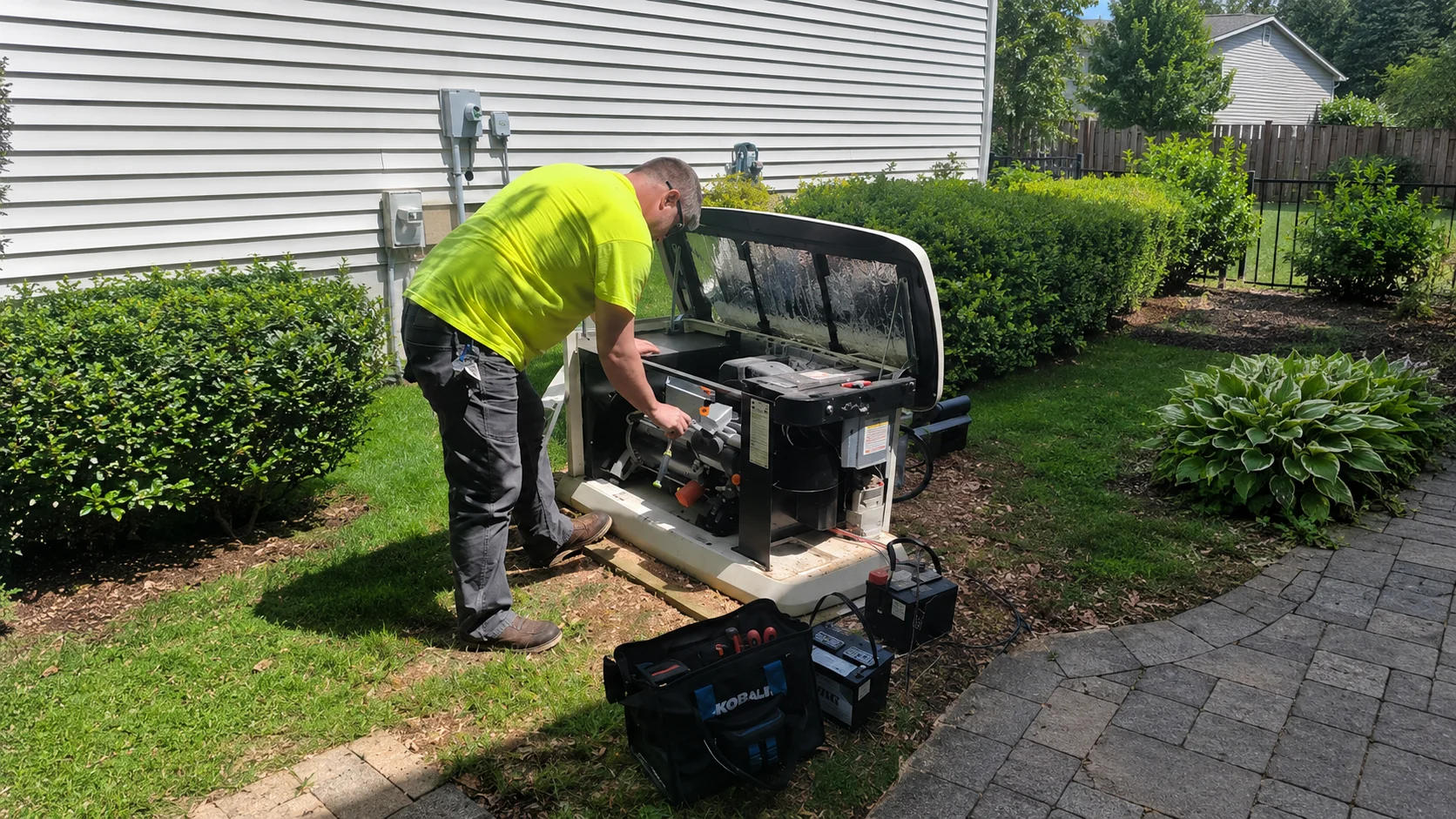
Our licensed team coordinates each stage, from the site assessment through final equipment commissioning, so homeowners know what to expect before work begins.
Sizing and Electrical Assessment for Generator Installation Columbus
The first step is a complete load calculation. Electrical equipment, especially inductive loads such as HVAC compressors, well pumps, and sump pumps, draws more wattage during startup than during normal operation.
Our team evaluates the main service panel to determine whether a sub-panel or panel upgrade is needed. Proper sizing helps the generator handle appliance surges without stalling or causing voltage drops that could affect sensitive electronics.
Site Preparation, Pad Placement, and Utility Connections
Standby units need a sturdy, level base made from a pre-cast composite pad or poured concrete to prevent settling and vibration. Site grading also directs drainage away from the equipment enclosure.
Mechanical contractors extend properly sized fuel piping from the gas meter or propane supply to the generator location. In communities such as Upper Arlington and Dublin, our team also verifies meter pressure so the heating system and generator can receive adequate fuel during cold weather.
Automatic Transfer Switch Wiring and System Commissioning
The automatic transfer switch (ATS) acts as the control center for the backup power system. Installed between the main utility service and electrical distribution panel, it continuously monitors incoming grid power.
During commissioning, technicians test safety interlocks, install smart load-shedding modules when needed, and calibrate cold-weather starting features. These steps help the engine start reliably during freezing Central Ohio weather.
Permitting, Code Compliance, and Local Regulations in Central Ohio
Installing a permanent standby generator involves both high-voltage electricity and pressurized gas lines. Because of these critical systems, local building departments require rigorous oversight to protect residential neighborhoods.
Navigating municipal regulations requires careful documentation and adherence to standard regional safety codes before ground is broken.
Permitting and Inspection Steps for Generator Installation Columbus
Before work begins, mechanical and electrical permit applications must be submitted alongside site layout plans to the local building department. The plan review process typically takes around two weeks.
Once installation finishes, municipal building inspectors conduct required assessments:
- A mechanical gas line pressure test to ensure all fuel connections are airtight.
- A rough and final electrical inspection verifying proper wire gauge, grounding, and ATS isolation.
- A final site review to approve overall system placement.
Crucial Setbacks, Noise Ordinances, and Common Installation Mistakes
Proper site planning prevents expensive rework and code violations. Avoiding common layout mistakes keeps your home safe and fully compliant with residential standards:
- Ignoring NFPA 37 Setbacks: Units must maintain a minimum 5-foot clearance from operable windows, doors, and building openings under National Fire Protection Association safety standards to prevent dangerous carbon monoxide from entering the living space.
- Undersizing Fuel Supply Lines: Long pipe runs with narrow diameters choke fuel delivery, leading to engine stalls under heavy electrical loads.
- Exceeding Local Noise Thresholds: Standard residential air-cooled units produce moderate sound levels, similar to a standard lawnmower. Units must be positioned thoughtfully to respect property lines and neighborhood quiet hours.
- Overlooking HOA Architectural Rules: Many planned communities require specific screening enclosures or landscape barriers around exterior equipment.
Columbus Generator Installation Planning and Long-Term Value
A whole-home generator can help protect your property from sudden power loss and improve long-term home resilience.
Project needs vary based on generator capacity, transfer switch hardware, fuel-piping distance, site conditions, and any required electrical-panel updates. A professional assessment helps identify the equipment and installation scope that fit your home’s priorities.
For homeowners who want a dependable, code-compliant system from planning through startup, our generator installation services include load evaluation, equipment placement, fuel coordination, and transfer switch installation.
Sizing (kW) and Installation Considerations
Higher-capacity units need larger fuel feeds and heavier electrical distribution components than essential-circuit systems. Selecting the right size helps balance the circuits you want to power with your fuel supply and electrical service capacity.
Long-Term Protection and Home Value
A permanently installed generator can help prevent frozen pipes, spoiled food, and temporary lodging needs during a long power outage. It can also add buyer appeal in Central Ohio neighborhoods affected by weather-related outages.
Routine service helps keep the system ready when storms arrive. If a generator shows warning lights, unusual noises, or starting problems, prompt generator repair can help restore dependable backup power before the next outage.
Frequently Asked Questions About Installing a Generator in Columbus
Do I need a permit to install a backup generator in Columbus?
Yes. Installing a standby generator requires electrical and mechanical permits from the local building department. These permits verify that transfer switches, gas lines, and equipment clearances meet safety requirements.
How long does the entire generator installation process take?
The full process generally takes two to three weeks from the initial consultation to final inspection. Permit review often takes about two weeks, while site preparation, pad placement, and electrical wiring usually take one to two days of on-site work.
What ongoing maintenance is required to keep a generator reliable?
Standby generators perform automatic weekly exercise cycles to lubricate engine components and charge the starting battery. Schedule annual maintenance for fresh engine oil, filter changes, and spark plug inspections. Contact a qualified technician promptly if warning lights or unusual noises appear.
Conclusion
A standby power system can protect your home during severe weather, grid failures, and seasonal outages. With 75 years of trusted local experience across Central Ohio, Aire-Flo Heating, Cooling & Generators provides load analysis, code-compliant equipment placement, and careful system commissioning. To plan reliable backup power for your home, contact our professional generator technicians to schedule a site evaluation.