

Key Factors to Find the Best Generator Installer Columbus Homeowners Trust
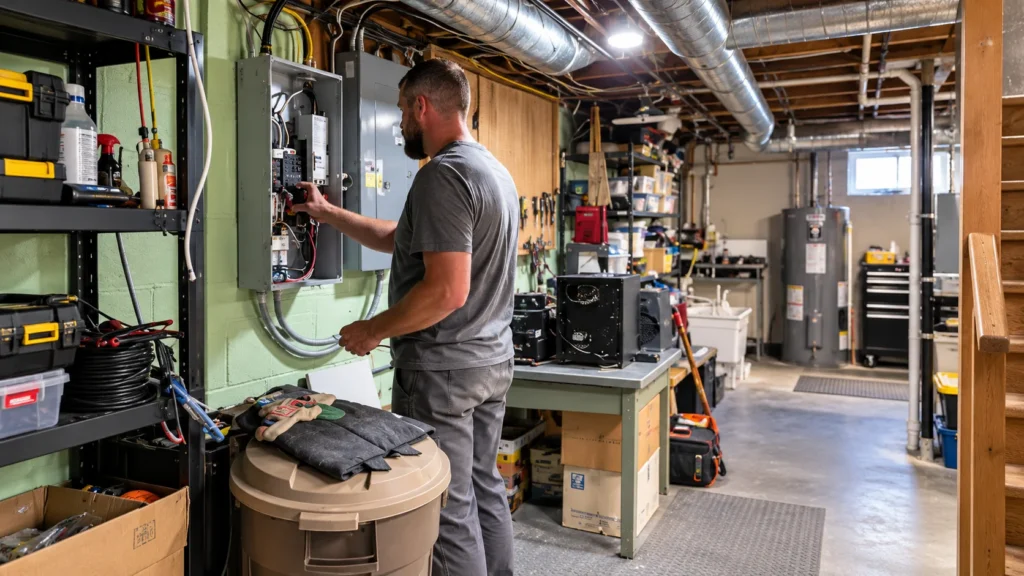
Selecting the right partner for your backup power project requires looking beyond basic equipment sales. A whole-home backup system connects directly to your home’s main electrical panel and fuel lines, so professional installation is essential for safety and reliability. Central Ohio weather often brings severe summer thunderstorms, heavy ice, and freezing winter winds that test power grids across Franklin, Delaware, and nearby counties.
Choose an installation company with proven credentials and dedicated local support to help keep your home safe during an outage. Local directories can help you identify contractors, but you should still screen each company carefully.
An experienced team that provides complete generator installation can plan the electrical and fuel connections, coordinate the work, and follow the required safety practices from the start.
How to Verify Licensing, Insurance, and Code Compliance
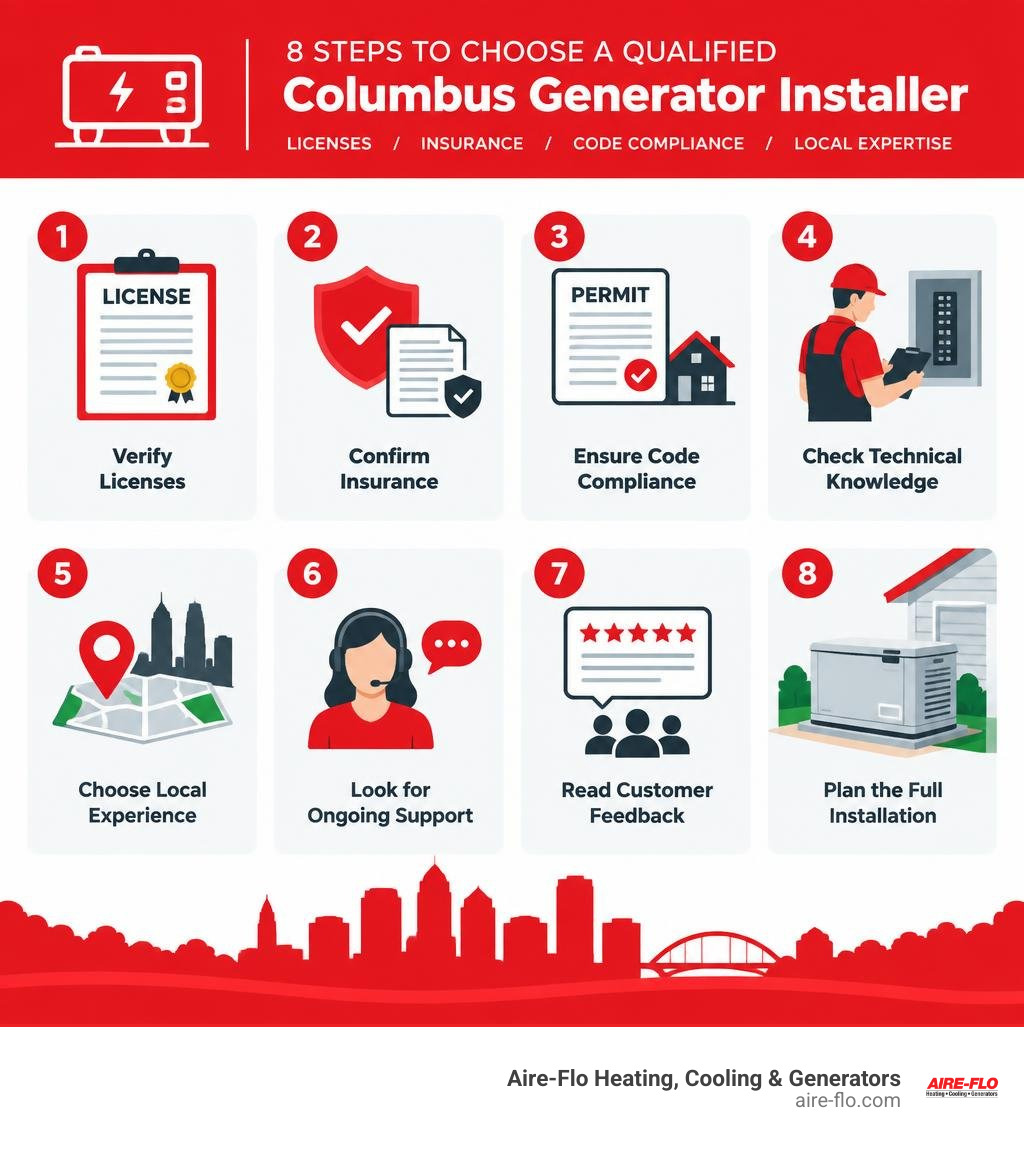
In Ohio, electrical and mechanical work requires verified credentials. Confirm that a prospective contractor holds the licenses required for the work and understands the permitting rules in your municipality. An unqualified installer can put your home at risk for electrical fires, gas leaks, and warranty problems.
Before signing a contract, make sure the installer carries:
- A valid Ohio electrical and HVAC contractor license when required for the scope of work
- General liability insurance to protect your property during work
- Workers’ compensation coverage for technicians on site
- Working knowledge of the National Electrical Code and local utility requirements
Knowing the right questions to ask when preparing your home for generator installation can help you compare contractors, clarify the work scope, and make a more informed decision before the project begins.
Evaluating Service Reputation and Local Experience
Local experience matters in Central Ohio. A contractor familiar with Columbus, Upper Arlington, Dublin, and Westerville understands how local soil conditions, lot lines, and utility meter locations can affect system design.
Ask how the company supports customers after installation, especially during severe storm events. Confirm factory-authorized dealer status, look for verified customer feedback, and ask whether the team can provide timely service when you need help.
Choosing the Right Generator System for Your Columbus Property
Every property has unique power needs, structural layouts, and fuel availability. Selecting the right unit means balancing your backup priorities with your existing utility infrastructure.
Identifying the appliances and systems your household needs during an outage makes it easier to compare equipment. Choosing the right generator for your house starts with prioritizing those loads before selecting a system.
Standby vs. Portable Units and Fuel Sources
Portable generators can provide temporary emergency power, while automatic standby generators deliver more consistent protection. Standby units run self-diagnostic cycles weekly and can start within seconds of a power failure, whether you are home or away.
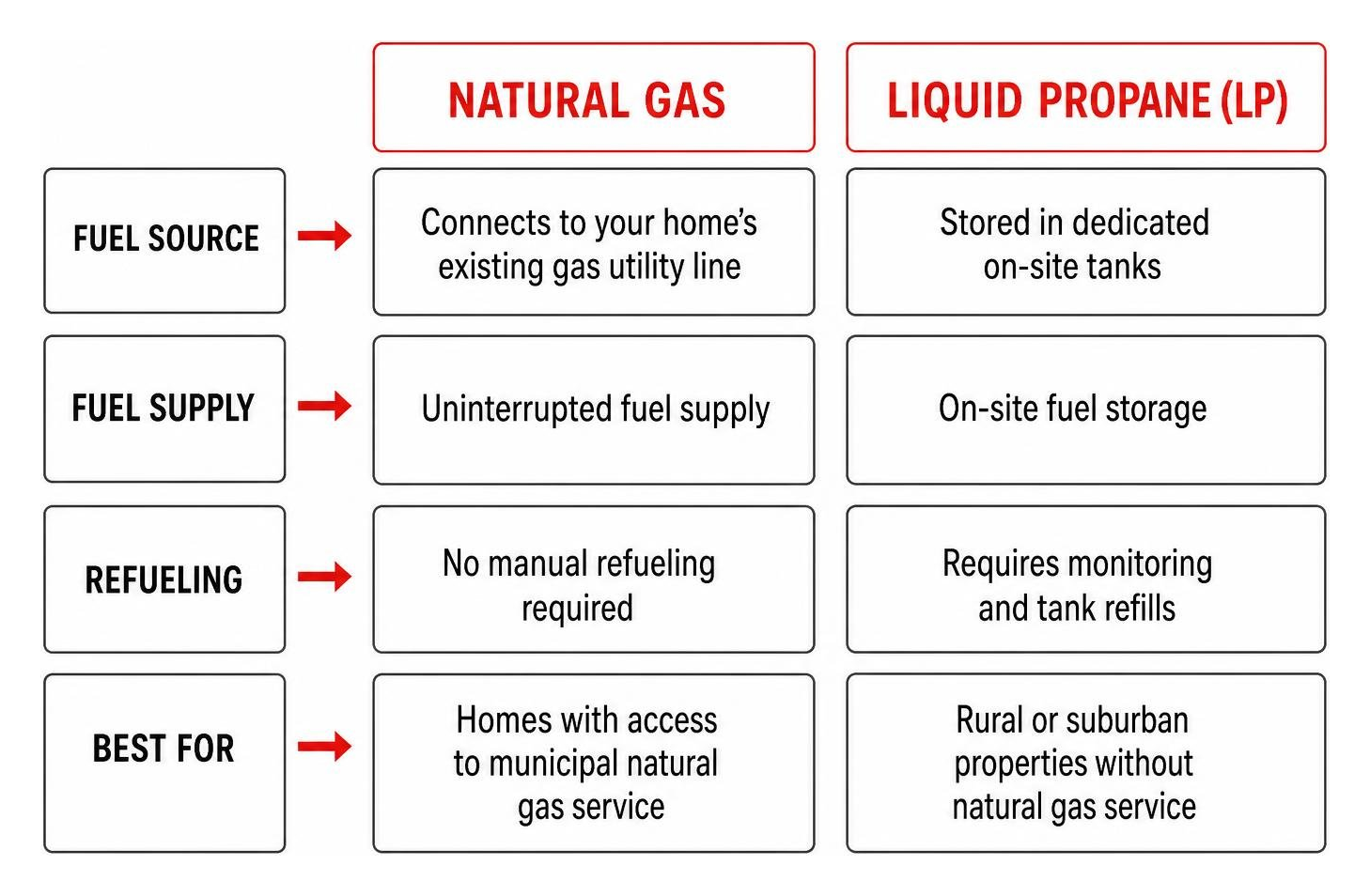
Fuel availability plays a major role in equipment choice:
- Natural gas: Connects directly to your home’s existing gas utility line, which can provide a continuous fuel supply without manual refueling.
- Liquid propane (LP): Uses an on-site tank and can work well for rural or suburban properties without municipal natural gas service.
The fuel source should fit your home’s utility access, space, and backup-power goals. The practical differences between natural gas and propane generator options are especially relevant for homes in and around Dublin.
What Qualities Should a Columbus Generator Installer Bring to System Sizing?
Proper generator sizing helps prevent overloaded circuits and equipment damage. The installation team should calculate both starting wattage for heavy motors and running wattage for continuous power.
Critical loads evaluated during sizing include:
- Central heating systems and AC units
- Sump pumps and sewage ejector systems
- Refrigerators and freezers
- Medical equipment and home health devices
- Lighting, security systems, and internet routers
A load assessment helps you avoid choosing more capacity than your household needs. Sizing a home generator without overpaying can help you prepare for that discussion with your installation team.
Understanding Installation Timelines, Permits, and Columbus Building Codes
Professional generator installations must comply with local municipal codes and utility safety regulations. In Columbus and surrounding communities such as Bexley, Delaware, and Grove City, residential installations require both electrical and mechanical permits.
Contractors must coordinate with local building authorities and utility providers like AEP Ohio and Columbia Gas. If your generator requires a higher gas volume than your current meter supplies, the installer must arrange a utility meter upgrade before commissioning the unit.
Understanding regional requirements, such as installing a generator in Bexley, highlights why experienced permit management is critical for avoiding municipal fines and project delays.
The Step-by-Step Installation Process and Typical Timeline
A standard residential generator installation follows an orderly progression to ensure safety and code compliance.
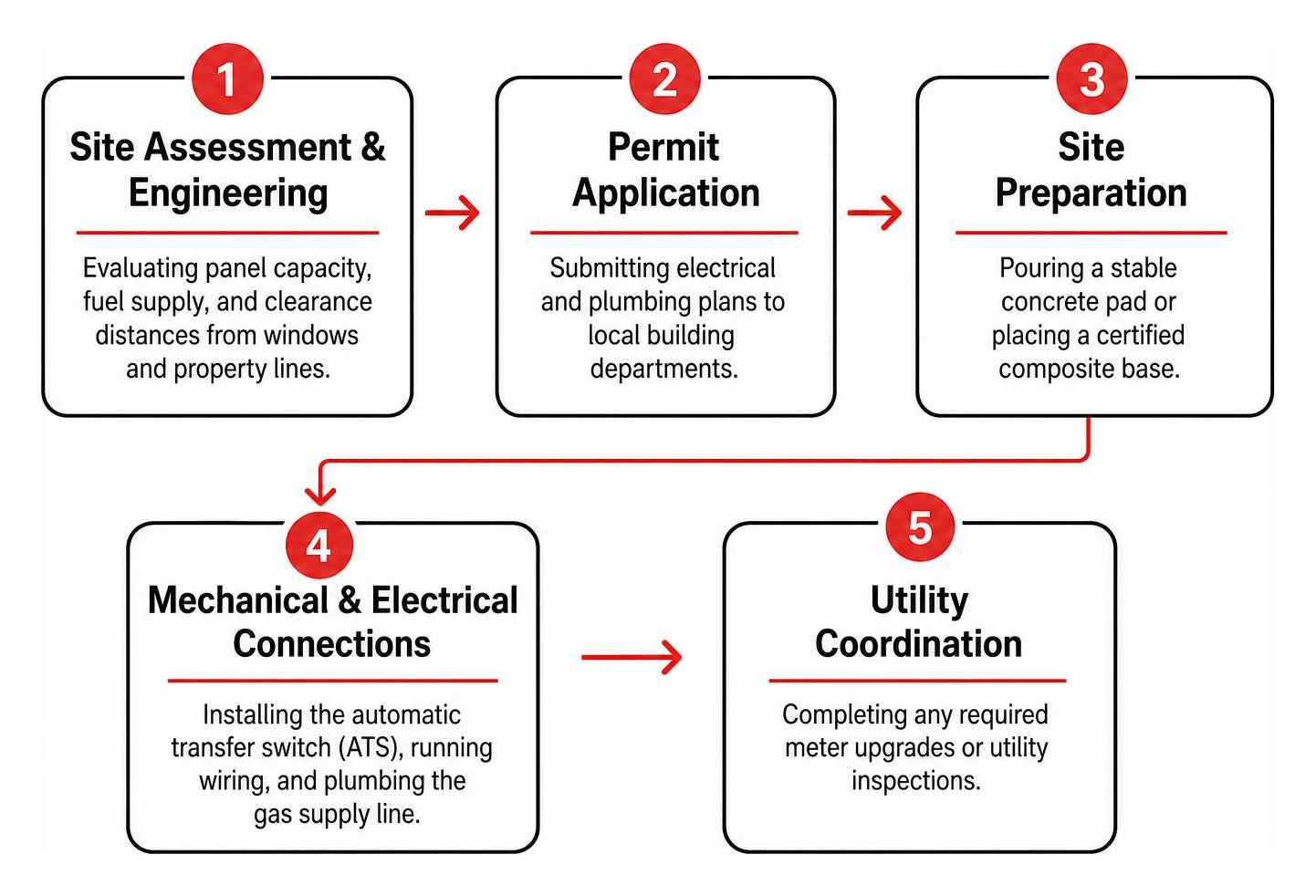
- Site Assessment & Engineering: Evaluating panel capacity, fuel supply, and clearance distances from windows and property lines.
- Permit Application: Submitting electrical and plumbing plans to local building departments.
- Site Preparation: Pouring a stable concrete pad or placing a certified composite base.
- Mechanical & Electrical Connections: Installing the automatic transfer switch (ATS), running wiring, and plumbing the gas supply line.
- Utility Coordination: Completing any required meter upgrades or utility inspections.
- System Commissioning & Testing: Simulating a utility outage to verify seamless system transfer and load balancing.
Homeowners can plan more confidently when they know what happens at each stage, from the first site assessment through final testing. Our article on what to expect during a generator installation explains that process in more detail.
Quotes, Warranties, and Long-Term Value From a Columbus Generator Installer
A backup generator project can vary based on system capacity, site conditions, and needed infrastructure updates. A detailed proposal helps you compare the equipment, installation work, and long-term support included in each option.
| Planning Factor | Standard Setup Considerations | More Complex Site Considerations |
|---|---|---|
| System capacity | Lower-kilowatt units for essential circuits | Higher-kilowatt units for broader home coverage |
| Electrical infrastructure | Direct integration with a modern panel | Main electrical service panel upgrades may be needed |
| Fuel line distance | Short pipe run near the gas meter | Longer runs that may require trenching |
| Site foundation | Standard prefabricated composite pad | Custom concrete slab on sloped ground |
| Permits and utility coordination | Standard municipal filings | Additional meter modifications and engineering review |
| Warranty coverage | Standard manufacturer parts coverage | Extended parts and labor protection |
Comparing Detailed Contractor Quotes and Financing Options
When reviewing contractor proposals, make sure each quote is fully itemized. Clear documentation helps prevent surprises and sets expectations before work begins.
Look for proposals that specify:
- The generator model, kilowatt rating, and enclosure material
- The automatic transfer switch model and amperage capacity
- Electrical materials, wiring, and gas piping
- Permit handling and inspection coordination
- Warranty registration and manufacturer commissioning procedures
- Available financing options and payment terms
Transparent documentation helps protect your investment and makes it easier to compare contractors fairly.
Long-Term Maintenance and After-Installation Support
A standby generator is a long-term investment in your property’s safety. Like an automobile engine, it needs regular oil changes, filter replacements, battery testing, and valve adjustments to operate reliably during severe weather.
After installation, dependable generator repair gives you a clear path to help if the system develops an unexpected issue.
A routine maintenance plan also keeps the generator ready for storm season. Our home generator maintenance schedule explains the service tasks that help protect reliable operation over time.
Frequently Asked Questions About Generator Installation in Columbus
How long does a standby generator installation take from start to finish?
The physical installation on your property typically takes one to two days. However, the overall project timeline often spans several weeks to account for municipal permit reviews, utility meter evaluations, and scheduling final city building inspections.
Do I need a permit for a home backup generator in Columbus, Ohio?
Yes. The City of Columbus and surrounding Central Ohio municipalities require electrical and mechanical permits for standby generator installations. These permits ensure that fuel lines meet safety codes and that the electrical transfer switch prevents dangerous backfeeding into the utility grid.
What size generator do I need for an average Columbus home?
Most standard homes in Central Ohio require a system between 14kW and 24kW. A 14kW to 18kW system can manage critical loads such as heating, refrigeration, sump pumps, and select lighting circuits. Homes requiring simultaneous operation of central air conditioning, electric water heaters, and large kitchen appliances often benefit from a 20kW to 26kW whole-home unit.
Conclusion
A whole-home backup generator can help protect your family, preserve food, prevent basement flooding, and keep heating and AC systems running through severe Central Ohio storms. Choosing an experienced contractor helps ensure the equipment is sized correctly, installed to current safety standards, and supported for years to come.
With 75 years of HVAC and power generation experience in Columbus and surrounding communities, Aire-Flo Heating, Cooling & Generators provides reliable backup power solutions backed by a 100% satisfaction guarantee. To discuss your home’s needs, contact our professional generator technicians to schedule a comprehensive in-home assessment.