

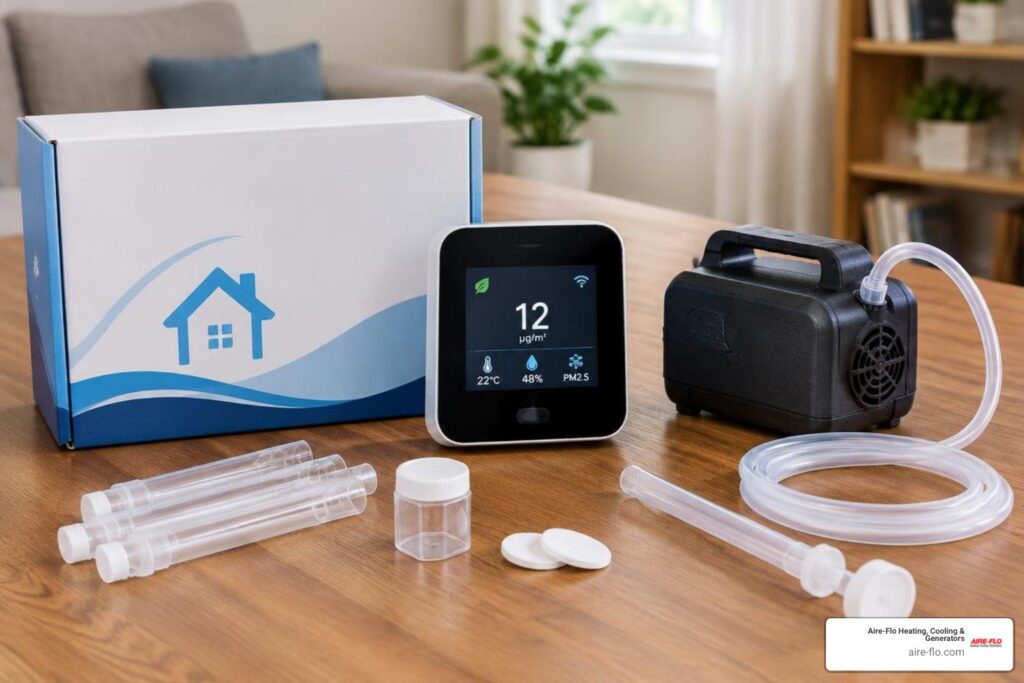
Why Pre-Winter Air Quality Testing Is Crucial for Your Home
Yes, you should conduct air quality testing before winter to identify trapped airborne pollutants before you seal your home for the heating season. When cold weather arrives across Ohio, draft proofing stops fresh outdoor air from circulating, causing indoor airborne contaminants to reach levels two to five times higher than outdoor air, according to the American Lung Association. Testing in autumn provides a clear baseline so you can resolve hidden mold, chemical off-gassing, or filtration issues before turning on your furnace.
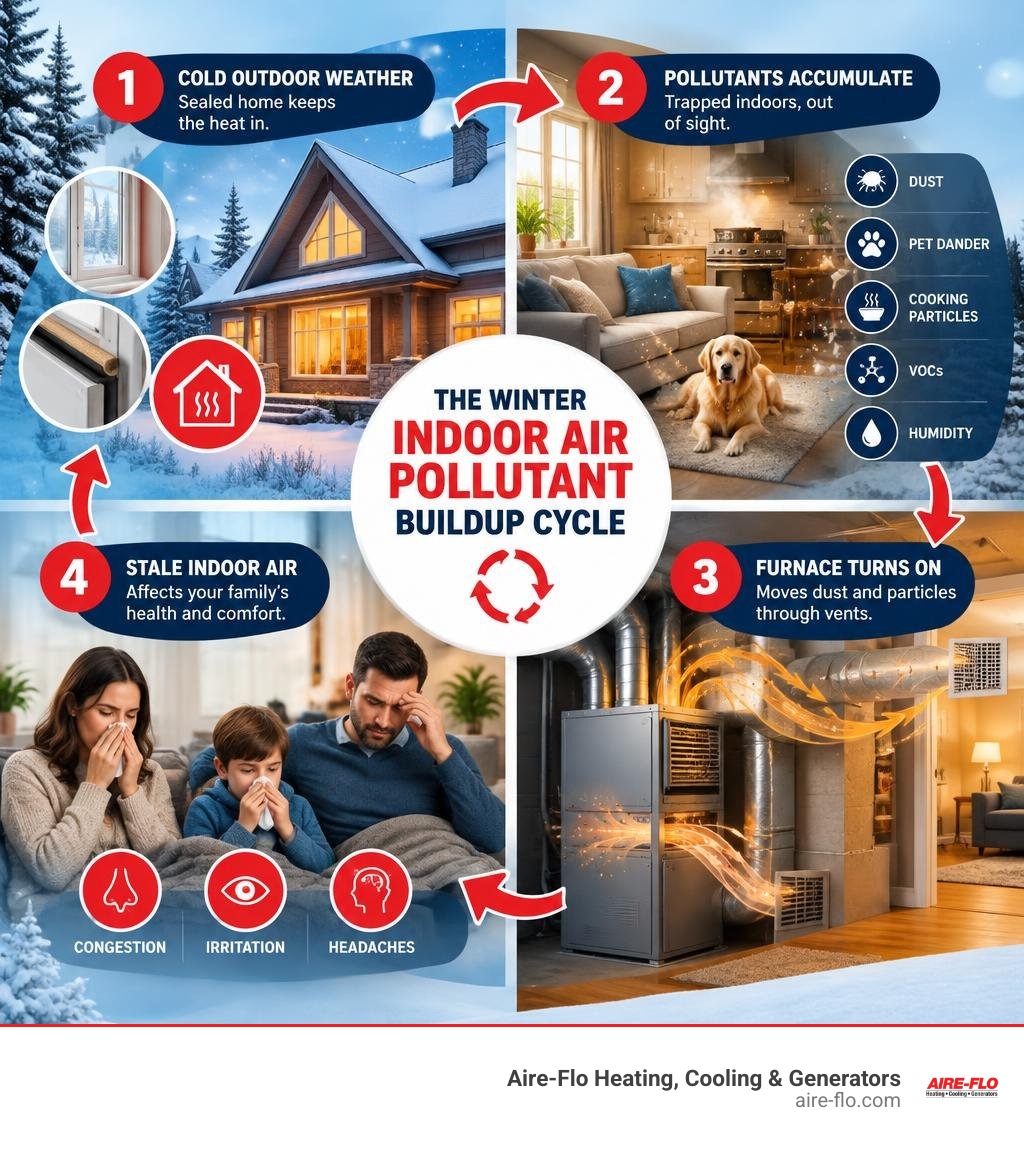
During heating season, your home becomes a closed loop. Everyday airborne irritants have nowhere to escape, creating stagnant air pockets in bedrooms, basements, and living rooms. When your furnace kicks on for the first time in months, it can blow accumulated dust and settled particles straight into the breathing zone.
Understanding how indoor air quality affects your family’s health helps explain why winter brings seasonal vulnerability. Trapped pollutants irritate nasal passages, trigger respiratory inflammation, and leave you feeling worn down. Proactive testing ensures your family breathes clean air throughout the cold months.
Key Warning Signs You Need Air Quality Testing Before Winter
Homes give off warning signs when airborne contaminants accumulate. You do not need specialized instruments to spot the initial clues:
- Musty or earthy odors: Persistent stale smells in basements or near supply vents point toward hidden fungal growth or moisture issues.
- Morning congestion and dry throats: Waking up every day with sinus pressure, eye irritation, or a scratchy throat that clears after leaving the house suggests an indoor trigger.
- Unexplained headaches and fatigue: High levels of carbon dioxide or chemical off-gassing from household goods cause lethargy and brain fog.
- Rapid dust accumulation: Thick layers of dust collecting on tabletops just days after wiping them down point to overloaded air filters or duct leaks.
- Lingering smells: Cooking odors, pet dander, or aerosol residues that hang in the air for hours indicate poor air exchange.
Learning why better indoor air quality is essential in Ohio makes it clear that damp falls and freezing winters demand proactive checks.
Major Indoor Pollutants Trapped During Colder Months
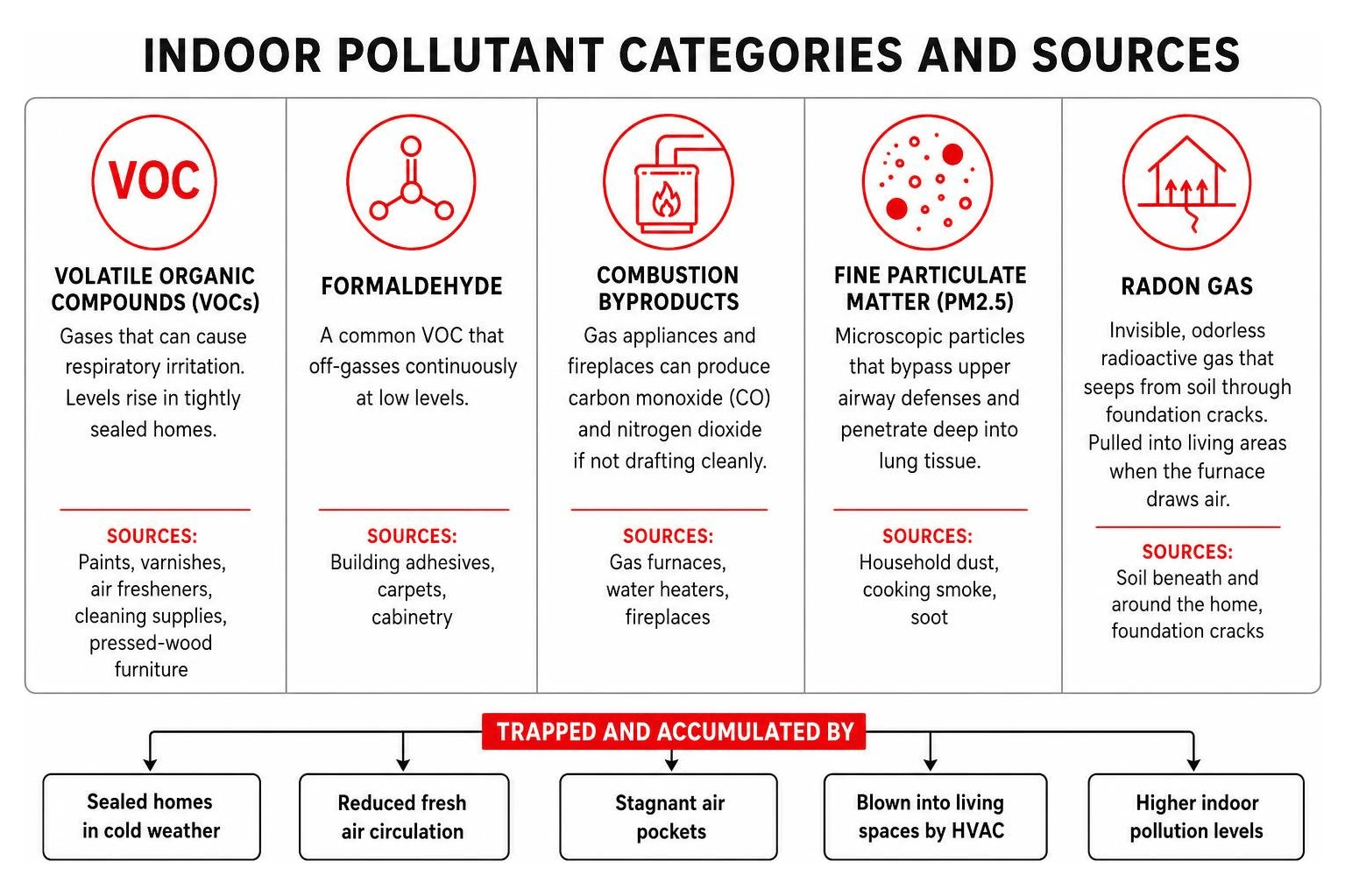
Winter trapping affects a wide mix of chemical and biological pollutants. Reviewing our resource on understanding common indoor pollutants and control methods provides a thorough foundation, but a few key culprits require close attention:
- Volatile Organic Compounds (VOCs): Emitted as gases from paints, varnishes, air fresheners, cleaning supplies, and pressed-wood furniture. In tightly sealed winter homes, VOC concentrations rise and cause respiratory irritation.
- Formaldehyde: A common VOC found in building adhesives, carpets, and cabinetry that off-gasses continuously at low levels.
- Combustion Byproducts: Gas furnaces, water heaters, and fireplaces can produce carbon monoxide (CO) and nitrogen dioxide if they are not drafting cleanly.
- Fine Particulate Matter (PM2.5): Microscopic dust, cooking smoke, and soot particles smaller than 2.5 micrometers. These bypass your upper airway defenses and penetrate deep into lung tissue.
- Radon Gas: An invisible, odorless, radioactive soil gas that seeps into basements through foundation cracks. Radon pulls upward into living areas when the furnace draws air, representing a serious long-term health risk.
Mold Spores and Airborne Toxins
Humidity imbalances during late autumn create ideal breeding grounds for fungi. When warm, humid indoor air meets cold window panes or exterior wall corners, condensation forms.
Undetected plumbing drips or damp crawl spaces allow mold colonies to spread. These growths release microscopic spores and microbial VOCs into the air, causing allergic reactions and asthma flare-ups. In severe cases, toxic fungal strains develop behind drywall or inside contaminated ductwork.
Before cold weather forces your heating system to run constantly, evaluating home air mold test options will help you discover whether musty smells stem from active mold growth or simple surface dust.
Comparing DIY Kits, Smart Monitors, and Professional Assessments
Selecting the right testing tool depends on what you want to measure, your timeline, and your budget.
| Testing Method | Best For | Pollutants Detected | Turnaround Time | Accuracy Level |
|---|---|---|---|---|
| DIY Petri Dish / Settle Plates | Quick visual mold screenings | Visible settling mold colonies | 3 to 7 days of home incubation | Low (prone to false positives) |
| Mail-In Lab Test Kits | Identifying specific chemical toxins | VOCs, formaldehyde, mold spores, tobacco residue | 5 to 14 business days after receipt | High (uses gas chromatography) |
| Smart Consumer Monitors | Continuous daily tracking | PM2.5, PM10, TVOCs, CO2, humidity, temperature | Instant, real-time readouts | Moderate (shows trends and spikes) |
| Professional On-Site Testing | Comprehensive diagnostic evaluation | Full particulate spectrum, VOCs, CO, mold, airflow | Immediate review plus verified lab report | Highest (calibrated diagnostic tools) |
DIY settle dishes catch spores that drop out of the air, but they cannot tell you whether those spores are normal background levels or an active infestation. Smart monitors excel at alerting you to daily spikes when you cook, clean, or close bedroom doors at night.
For pinpointing exact chemical compounds or identifying hidden fungal reservoirs, mail-in laboratory kits or certified on-site inspections provide reliable answers. You can explore our dedicated professional indoor air quality services to see how comprehensive evaluations work.
Best Practices for DIY Air Quality Testing and Lab Sample Collection
To ensure your home test produces actionable, accurate information, follow these standardized steps:
- Differentiate Passive from Active Sampling: Passive kits sit in a room and absorb gases over days. Active sampling uses a calibrated pump to pull a specific volume of air through a sorbent tube or filter cassette, producing far more precise concentration measurements.
- Place Samplers at Breathing Height: Position testing devices three to five feet off the ground, where you actually inhale air.
- Avoid False Interference: Keep sampling devices away from drafty exterior doors, supply vents, humidifiers, open windows, and direct sunlight.
- Follow Closed-Building Protocols: Keep windows and exterior doors closed for 12 to 24 hours prior to sampling to simulate winter operating conditions.
- Complete Chain-of-Custody Forms: For mail-in kits, carefully write down your start and stop times, sample numbers, and room locations.
- Ship Promptly: Mail your test media back to the accredited laboratory right away using the provided packaging to avoid sample degradation.
Actionable Steps to Take After Receiving Your Test Results
Receiving your test results provides the clarity needed to create a targeted improvement plan.
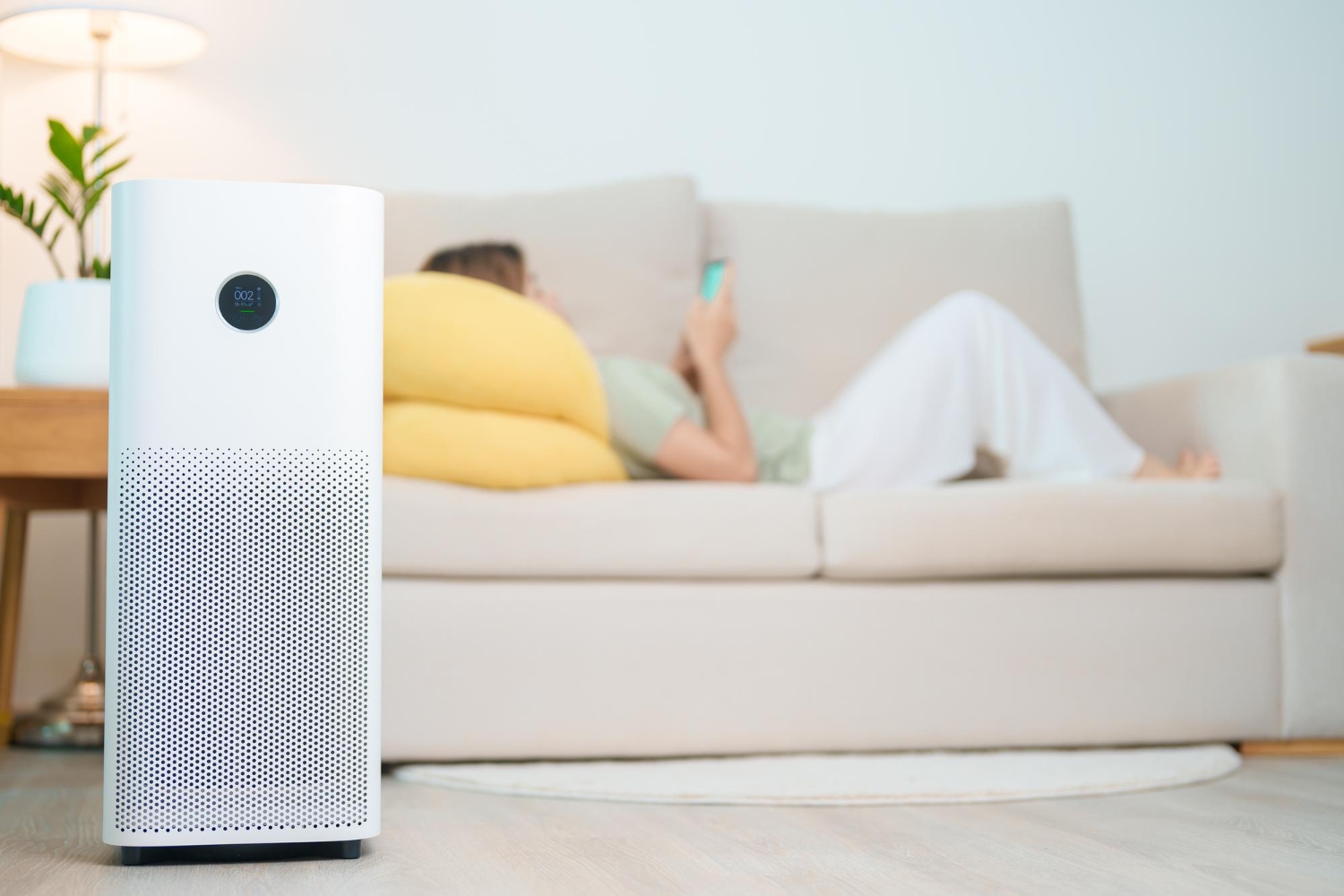
- Control Moisture and Target Relative Humidity: Keep indoor humidity between 30% and 50%. Relative humidity above 55% encourages mold and dust mites, while levels below 30% irritate mucous membranes and dry out your nasal passages.
- Increase Targeted Fresh Air Ventilation: If chemical pollutants or carbon dioxide levels run high, improve air exchange using bathroom exhaust fans, kitchen hoods, or an energy recovery ventilator (ERV). Aire-Flo can assess your current heating and ventilation services to help you balance fresh air with winter comfort.
- Upgrade Mechanical Air Filtration: Replace standard fiberglass filters with high-efficiency media rated to capture fine particulates.
- Incorporate Specialized Media: To eliminate gaseous fumes and odors that standard filters miss, implement activated carbon filters that adsorb chemical compounds.
- Review Whole-Home Solutions: Read our guides on improving indoor air quality across living spaces and installing whole-house air purifiers to protect every room through your central ductwork.
Frequently Asked Questions About Testing Indoor Air Quality
Can home test kits accurately detect specific toxins like formaldehyde and black mold?
Yes, specialized mail-in laboratory kits can accurately quantify formaldehyde and specific mold species. These kits utilize chemical sorbent tubes or air cassettes that certified laboratories analyze using gas chromatography-mass spectrometry or direct microscopic examination.
Basic over-the-counter petri dishes, however, only show that mold spores landed on the gel; they cannot determine exact airborne spore counts or distinguish between harmless outdoor strains and toxic black mold.
How long does it take to get laboratory results back?
Mail-in air quality test kits typically require five business days for analysis once the certified laboratory receives your sample. Including standard shipping times, expect your final report within seven to fourteen days.
Professional diagnostic inspections provide immediate real-time readings for general metrics on-site, with specialized biological and chemical lab samples returned within two to five business days.
How much does reliable indoor air testing cost?
Costs vary based on the testing depth and technology used. Basic single-contaminant screening dishes cost very little, while comprehensive mail-in test kits that measure multi-pollutant VOCs, mold, and formaldehyde range moderately higher due to certified laboratory processing fees.
Professional in-home assessments provide real-time diagnostic equipment, comprehensive building inspections, and expert data interpretation tailored to your HVAC system.
Conclusion
Preparing your home for winter involves more than checking your thermostat and sealing drafty windows. Conducting an assessment before you lock in the heat ensures your living space remains clean, fresh, and safe all winter long. By identifying hidden pollutants, tracking relative humidity, and addressing biological growth early, you protect your family’s health throughout the closed-window season.
For clear answers, accurate diagnostic evaluations, and reliable whole-home ventilation solutions backed by 75 years of experience in Central Ohio, contact our indoor air quality specialists to schedule your evaluation.