

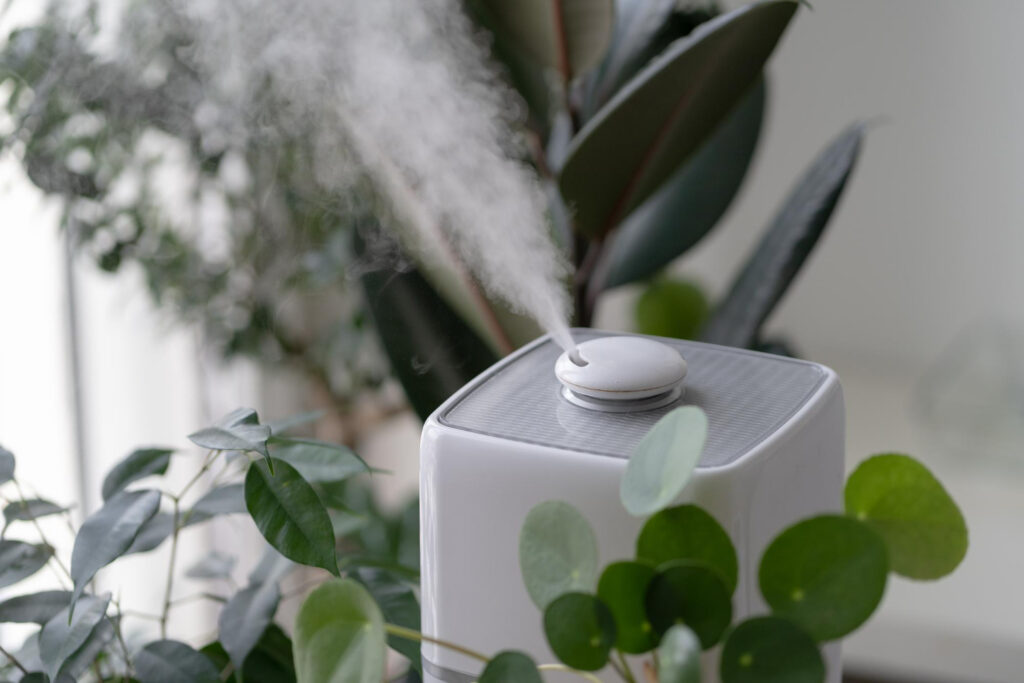
When winter fades and spring starts to take hold in Ohio, the shift in weather can stir up more than just your weekend plans. It affects the air inside your home, too. Cold, dry air lingers from the last few months, while warmer temps start creeping in. That back-and-forth can make staying comfortable a challenge. Managing humidity during these transitions plays a big role in how your home feels and how well your HVAC system works.
One of the best ways to balance indoor air is by adding a central HVAC humidifier. It is a simple upgrade that works in the background, helping your system deliver moisture right where it is needed. It can relieve that dry winter air and prep your home for healthier, easier breathing all through spring.
Why Winter Leaves Homes Too Dry
Colder months in Columbus and across Central Ohio do not just bring snow and wind. They dry out the air inside our homes. When we kick on the heat, indoor humidity levels drop fast. This leads to a bunch of familiar annoyances.
- Dry skin, chapped lips, and scratchy throats become common
- Static cling seems to strike everything from clothes to blankets
- Some people find it harder to breathe, especially if they have allergies or asthma
Dry air can also affect your house. Wood floors and furniture may start to crack or shrink. Paint or wallpaper might peel or bubble. Running a small humidifier in one room helps a little, but it cannot support the whole house. That is why many homeowners look into whole-home systems that attach directly to the HVAC setup.
How a Central HVAC Humidifier Works
A central HVAC humidifier connects right into your existing heating and cooling system, usually near your furnace. It adds moisture straight into the warm air your system pushes through the vents. By the time that air reaches each room, it is more comfortable to breathe and better for your home.
These systems often come with built-in controls, so you can set the humidity level you want. The unit monitors indoor levels and adds moisture only when needed. This keeps things balanced without going overboard. Since it is part of your ductwork, there is no need to run separate units or remember to refill water tanks all day. The system handles it in the background. This means homeowners can relax, knowing comfort is taken care of in every season.
Types of Humidifiers for Whole-Home Use
If you are thinking about adding a whole-home system, you will likely hear a few different terms. The three most common types of humidifiers used with HVAC systems are:
1. Bypass Humidifiers
These use the airflow from your furnace to send moisture through a water panel or pad. They are simple and energy-saving but need a working furnace to function. Good for standard-sized homes with a reliable heating setup.
2. Fan-Powered Humidifiers
These are similar to bypass models but include their own fan to pull air through the water panel. They can run even when your furnace blower is not on, which gives them more flexibility. They are good for larger houses or where you want more active moisture control.
3. Steam Humidifiers
These boil water to add steam directly into the ductwork. They are powerful and fast, but usually need more energy and frequent care. Good for larger homes or homes with higher humidity demands.
Every home is different. Picking the right style depends on your house’s size, layout, and what kind of heating system you have in place. In some homes, adding humidification works best when paired with a new or upgraded system installed through professional furnace installation tailored to the current structure and ductwork. Your heating setup often plays a big part in determining which type will be most effective and easiest to maintain for your family.
What to Consider When Choosing the Right Model
Picking a humidifier is not just about size or price. There are a few things to think through before making a final choice.
- Square footage matters. Larger homes need larger capacity systems.
- Type of heat. Some systems pair better with electric heat, others with gas.
- Humidity goals. If someone in your family has breathing concerns or allergies, you might need more precise control.
Other details can make a big difference, too. Noise levels vary by model. Some units are nearly silent while others hum noticeably. Maintenance is another factor. While most whole-home systems are low stress, some need filter changes or descaling a few times a year.
Placement is important too. A poorly positioned unit can underperform, or it might push too much moisture into certain areas. Working with a qualified tech can help make sure the system fits your home’s needs from the start. Another thing to remember is that comfort isn’t just about eliminating dry air, but also about making sure the right balance is achieved in every room. For those thinking about health impacts, it may also help to check out the latest CDC research on indoor humidity and health before making your final decision.
The time spent thinking through each of these considerations pays off by preventing headaches later. The right humidifier should match your lifestyle, support your home’s unique layout, and provide peace of mind for everyone living in it.
Why Spring is the Right Time to Plan
March and April are good months to think ahead. In Ohio, early spring brings mild temperatures, making it easier to access your equipment and schedule system checkups.
Planning humidifier updates now means your system is ready before summer heat rolls in. It is a good time to spot any issues from winter, like leaks, cracks, or buildup around vents, that might get overlooked later. When you schedule your regular spring HVAC tune-up, it is a good idea to ask about the humidifier, too. Making changes now avoids the last-minute rush that always seems to hit in late May.
By planning in spring, you’ll have plenty of time to get the right parts ordered, schedule an installation that works around your schedule, and make sure your home is ready for changing temperatures. Getting things done now is less stressful than waiting until summer humidity arrives in full force, and it can also help you spot any areas that need improvement while it’s still mild outdoors. Spring is when your HVAC system gets a break from the heavy workload of winter and summer, making it a great window for upgrades or maintenance.
Better Air, More Comfort All Year Long
Adding a central HVAC humidifier is not only about winter. It is about improving comfort all year. In colder months, it helps reduce dryness. In spring, it supports fresh airflow without irritation. Throughout the rest of the year, it protects wood surfaces and keeps your air balanced when conditions shift.
The right system does its job quietly and lets you enjoy steady, comfortable air without worry. Whether you are thinking about better indoor air in Dublin, Columbus, or Delaware, tackling your setup during spring gives you a stress-free way to stay ahead of the seasons.
Instead of fighting dry air with single-room humidifiers, a central unit delivers relief to every room, keeping each space comfortable through the year. Balanced indoor humidity does more than just help you breathe easier, it also helps protect your home’s finishes and furniture from damage. By keeping the indoor environment steady, you create a healthier place for your family and make each day a little more enjoyable.
Enhance your home’s comfort with a central HVAC humidifier from Aire-Flo Heating, Cooling & Generators. Experience the benefits of balanced indoor humidity, ensuring easier breathing and protecting your home’s furnishings year-round. Our expert team delivers seamless integration with your existing system, providing a hassle-free solution for maintaining a healthier living environment. Don’t wait—invest in improved air quality today and enjoy comfort in every corner of your home.