
A new home generator gives you control when the grid goes down. Power outages in Columbus can last hours or stretch into days during storms, heatwaves, or winter freezes. Without backup power, you risk spoiled food, frozen pipes, sump pump failure, and no heating or cooling when you need it most.
A new home generator protects the systems that keep your house safe and functional. It keeps your refrigerator running. It powers medical devices. It supports your HVAC system, lights, security system, and internet, so your routine stays intact during an extended outage.
Before you buy, define what you actually need to power. List essential appliances. Check their wattage. Calculate total startup and running watts. This step prevents overload and helps you avoid paying for more capacity than necessary.
The right generator is not about size alone. It is about matching output to demand, fuel type to availability, and features to your home setup. When you understand your energy requirements and the key selection factors, you can choose a system that delivers reliable backup power without guesswork.
Choose Your Preferred Fuel Type
Every generator will use some type of fuel to generate power. While some generators use solar power as an additional energy source, generators primarily rely on gasoline, propane, and natural gas. Since gasoline and propane generators come with more power outage safety concerns, many people opt for models that use natural gas.
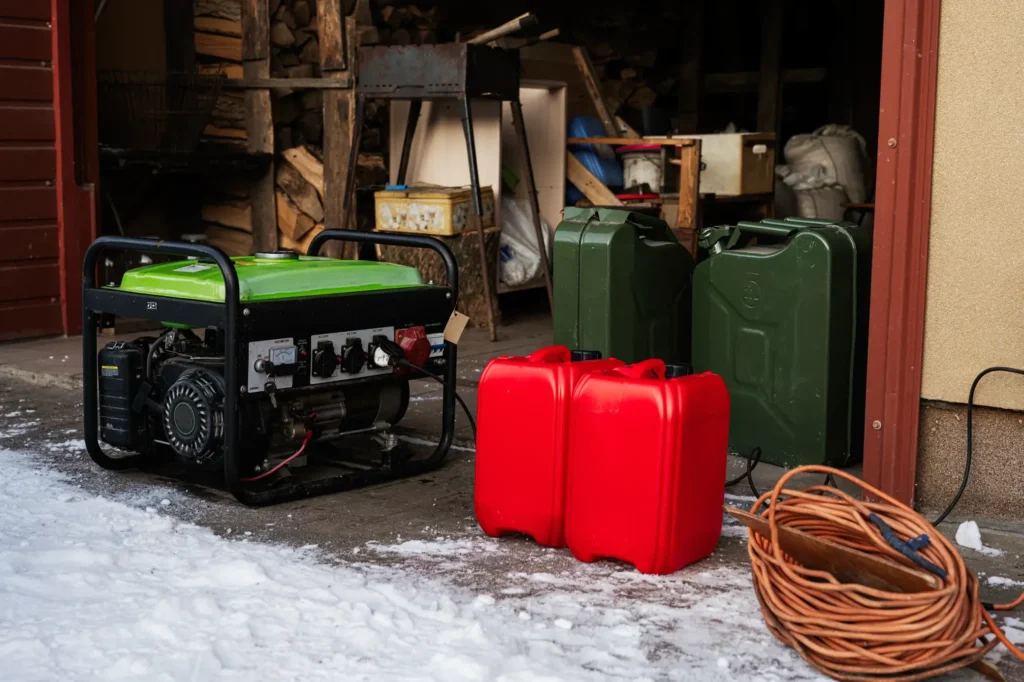
While your new home generator might use natural gas, you might want a generator for outdoor use. For that purpose, gasoline or propane models offer the best solutions. Make sure you have an appropriate place to store the fuel.
Is Natural Gas the Best Fuel for a Home Generator?
Yes. Natural gas is a cheaper fuel to use, and it offers cleaner burning for indoor generators. You won’t have to worry about fumes and ventilation when using natural gas. Since your utility company provides natural gas, you’ll always have a continuous supply.
Get the Right Size for Your Energy Needs
Before looking at generator capabilities, determine your wattage requirements. Look at the wattage on each appliance or device you’ll use during a power failure. Add those numbers together to get the minimum total wattage you’ll need in a new home generator.
Keep in mind that you might need a slightly larger generator to account for startup usage. Many electronics use up to three times more watts for startup before dropping down to the normal rate. This includes large equipment, such as air conditioners and refrigerators.
Consider Long-Term Generator Maintenance
After you install a home generator, you’ll start addressing its maintenance needs. Similar to any other machine, your generator needs an annual inspection and tune-up.
Oil and filter changes are also necessary. If you use the generator frequently, expect to change the oil and air filter more often. Routinely test the generator to ensure it remains in good working condition.
Do Home Generators Come With Warranty Coverage?
The warranty is something else to consider when shopping for home generators. Every model’s warranty has different terms. The warranties on small, portable units might expire after a few years. Larger models that require home generator installation typically have longer-term warranties.
In addition, warranty terms may vary between manufacturers. Look for a model that offers the most comprehensive or longest warranty coverage.
Still Unsure About Your Generator Needs? Get Help From the Pros
When you partner with Aire-Flo Heating, Cooling & Generators, we’ll use our expertise to help you choose the best generator for your home. Our professional installation services will ensure your generator is ready for use as soon as you need to rely on this alternative source of energy. Contact us to request an estimate today!