

Is Your AC Turning On and Off Too Fast? Here’s What to Know
AC short cycling happens when your air conditioner turns on, runs for just a few minutes, then shuts off before your home reaches the set temperature, only to start up again shortly after.
Quick answer:
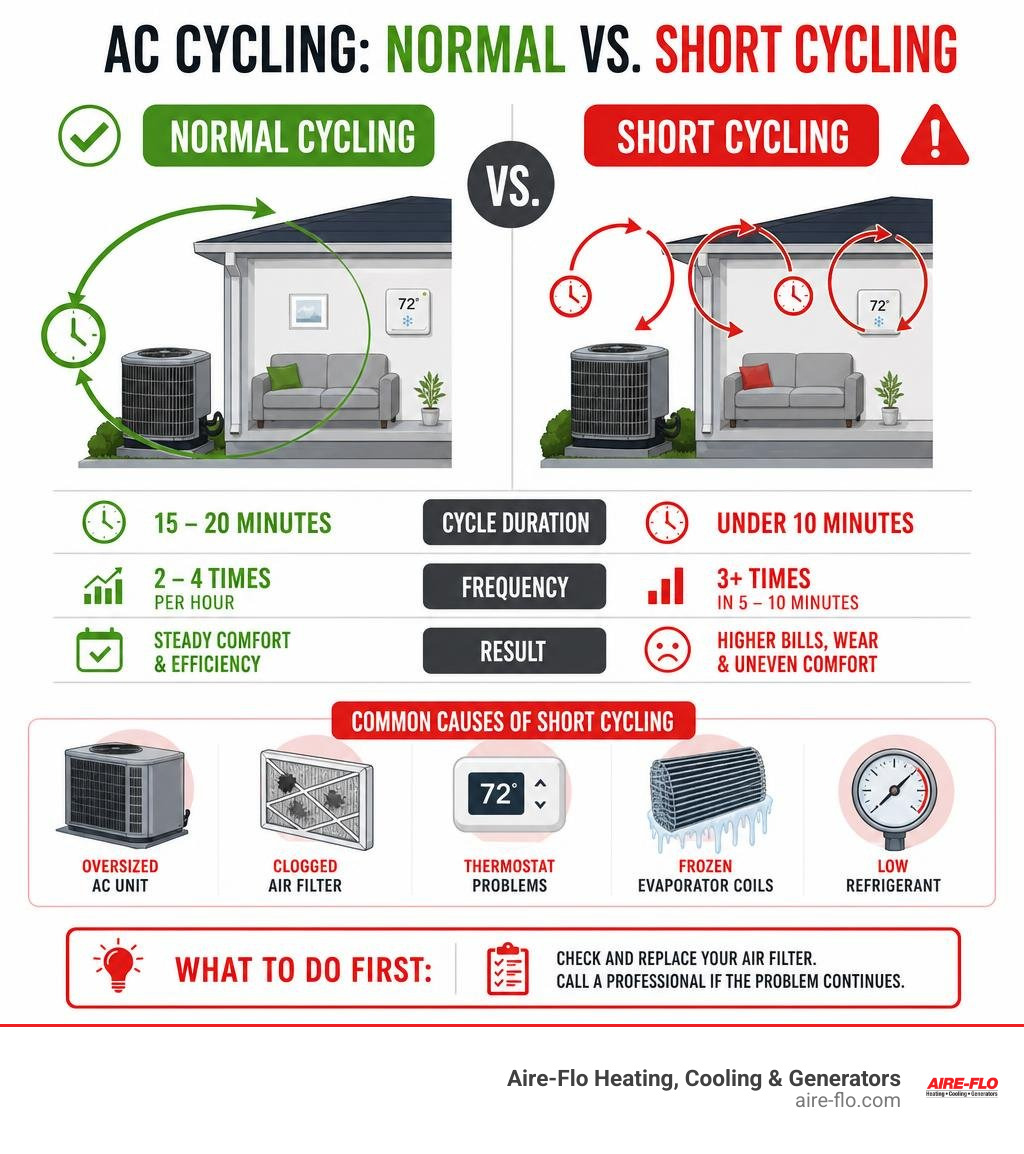
- What it is: Your AC runs in cycles that are too short, typically under 10 minutes, instead of the normal 15 to 20 minutes
- How to spot it: Your system turns on and off 3 or more times in 5 to 10 minutes
- Common causes: Oversized AC unit, clogged air filter, thermostat problems, frozen evaporator coils, or low refrigerant
- Why it matters: It raises your energy bills, strains your compressor, leaves your home feeling humid, and shortens your system’s lifespan
- What to do first: Check and replace your air filter, then call a professional if the problem continues
This is one of the most common HVAC complaints in Columbus-area homes, and it is also one of the easiest to ignore because the system still seems to be running. But every short cycle adds wear to your compressor, one of the most expensive parts in your entire system, and drives up your monthly energy bills at the same time.
At Aire-Flo Heating, Cooling & Generators, our HVAC team has seen AC short cycling cause everything from sky-high utility bills to premature system failures that could have been avoided. In this guide, we’ll walk you through exactly why it happens and how to fix it.
What Is AC Short Cycling and How Does It Work?
To understand why rapid cycling is bad, you first need to understand how a healthy cooling cycle works. Your air conditioner does not run constantly. Instead, it operates in cycles to maintain a steady temperature.
Under normal conditions on a moderately warm day, a properly sized air conditioning system should undergo two to three cooling cycles per hour. Each of these cycles should last approximately 15 to 20 minutes. This gives the system enough time to distribute cool air evenly and, just as importantly, to pull humidity out of the air. If the problem keeps coming back, professional AC repair can identify whether the issue is caused by airflow restriction, refrigerant pressure, electrical components, or system sizing.
When AC short cycling occurs, this process breaks down. The system turns on, runs for just a few minutes (sometimes as little as three to five minutes), and then abruptly shuts down. A few minutes later, the thermostat detects that the home is already warming up, and the cycle repeats.
The biggest issue with this pattern is the compressor startup. The compressor is the heavy-duty pump in your outdoor unit. Starting up is the most taxing thing an electrical motor can do. It requires a massive surge of electricity. When your system starts up every few minutes instead of running in long, steady cycles, your energy consumption skyrockets, and the mechanical parts experience rapid wear and tear.
| Feature | Normal Cooling Cycle | Short Cycling |
|---|---|---|
| Cycle Duration | 15 to 20 minutes | Under 10 minutes (often 3 to 5 minutes) |
| Cycles Per Hour | 2 to 3 cycles | 6 or more cycles |
| Energy Use | Moderate and steady | Very high (due to constant startups) |
| Humidity Removal | High (coils stay cold long enough to condense moisture) | Extremely low (air stays damp and clammy) |
| System Wear | Low to moderate | High (accelerates compressor and motor failure) |
Why Is Short Cycling Bad for Your Home and Wallet?
Ignoring a rapid cycle is like ignoring a check engine light in your car. It might keep running for a little while, but a major breakdown is on the horizon.
First, let’s look at your monthly utility bills. HVAC motors draw three to five times their normal wattage during startup. When your system short-cycles, it spends a massive portion of its run time in this high-energy startup phase. This extra power draw can cause your monthly electricity bills to jump by 20% to 30% almost overnight.
Second, the mechanical strain on your equipment is severe. The compressor is designed to start infrequently and run for long, steady periods. Constant starting and stopping wears out the start capacitors, contactors, and the compressor motor itself. While a standard blower motor replacement can cost several hundred dollars, replacing a failed compressor typically costs $1,000 to $2,000 or more. If your system is older, a failed compressor often means you need to replace the entire outdoor unit.
Third, you lose control over your indoor humidity. Your air conditioner is actually a giant dehumidifier. As warm indoor air passes over the freezing evaporator coil, moisture condenses on the metal and drains away. However, this process takes time. The evaporator coil must get cold enough to drop below the dew point, which usually takes about 10 minutes of continuous operation. When your system shuts down after five minutes, the air gets cooler but the moisture remains. This leaves your home feeling sticky, damp, and uncomfortable, which is why recurring comfort issues often overlap with the problems covered in our article on why your AC isn’t removing humidity.
Common Causes of Rapid System Shutdowns
When an air conditioner cuts out early, it is usually because a safety switch has tripped to protect the system from damage, or because the thermostat is sending incorrect signals. Here are the most common mechanical causes behind these sudden shutdowns:
- Clogged Air Filters: This is the absolute number-one cause of short cycling. When your air filter is packed with dust, pet dander, and dirt, it chokes the airflow. Without enough warm air blowing over your indoor evaporator coil, the coil gets too cold and freezes.
- Frozen Evaporator Coils: When ice forms on the indoor coil, it blocks the remaining airflow entirely. The system’s safety switches detect the extreme drop in pressure and temperature, shutting the compressor down to prevent liquid refrigerant from flooding back into the motor.
- Refrigerant Leaks: Refrigerant does not get used up like gasoline. It circulates in a closed, sealed loop. If you have a leak, the low refrigerant level causes the pressure in the lines to drop. This trips the low-pressure safety switch, turning the system off. When the pressure rises slightly during the off cycle, the system starts again, creating a rapid loop.
- Electrical Issues: A failing run capacitor cannot hold the electrical charge needed to keep the compressor running steadily. Weak contactors or loose wiring connections can also cause the electrical current to break, forcing the system to shut down prematurely.
These symptoms can overlap with several other cooling problems, including weak airflow, warm air from the vents, and outdoor unit issues. Our breakdown of common AC problems explains how these warning signs connect to bigger system failures.
Thermostat Malfunction and Poor Placement
Sometimes, the air conditioner itself is perfectly healthy, but the thermostat is giving it bad instructions.
Thermostat placement is critical. If your thermostat is installed on an exterior wall, near a drafty window, in direct sunlight, or near heat-generating appliances like an oven or a television, it will read false temperatures. For example, if an afternoon sunbeam hits your thermostat, the sensor will register that the room is 85 degrees even if the rest of the house is a comfortable 72. The AC will kick on, blast cold air for a few minutes, cool the immediate area around the thermostat, and shut off.
If your thermostat is old, has dying batteries, or is losing its calibration, it may struggle to maintain the temperature differential, which is the small range of temperature variation allowed before the system turns back on. Replacing a bad thermostat or relocating it to a central hallway away from drafts can easily solve this problem.
Oversized HVAC Systems and the Manual J Calculation
Many homeowners assume that a bigger air conditioner is always better. In reality, an oversized system is a guaranteed recipe for AC short cycling.
Approximately half of all air conditioners and furnaces are sized incorrectly, with about one-fourth of all units being oversized. When an air conditioner is too large for your home, it cools the indoor air incredibly fast. It blasts cold air into the rooms, satisfies the thermostat in five minutes, and shuts down. Because the cycle was so short, the heavy masonry, furniture, and walls of your home did not actually cool down, nor did the system remove any humidity. The air quickly warms back up, and the oversized system starts again.
This problem is especially common with single-stage systems, which only run at 100% capacity. Modern multi-stage or variable-speed systems can scale their output down to run longer, gentler cycles, but an oversized single-stage system has no way to slow down.
To prevent this issue, professional HVAC technicians use a Manual J load calculation. This calculation takes into account your home’s square footage, insulation levels, window types, local climate, and even the direction your home faces. This ensures you get a perfectly matched system.
If you are experiencing similar issues with your heating system, the same stop-start pattern can also happen with a furnace. Our articles on home furnace short cycling and heating cycles too frequently explain how cycling problems show up during the heating season.
How to Troubleshoot and Prevent Rapid Cycling
Before you pick up the phone to call an HVAC technician, there are a few simple maintenance steps you can take to troubleshoot the issue yourself:
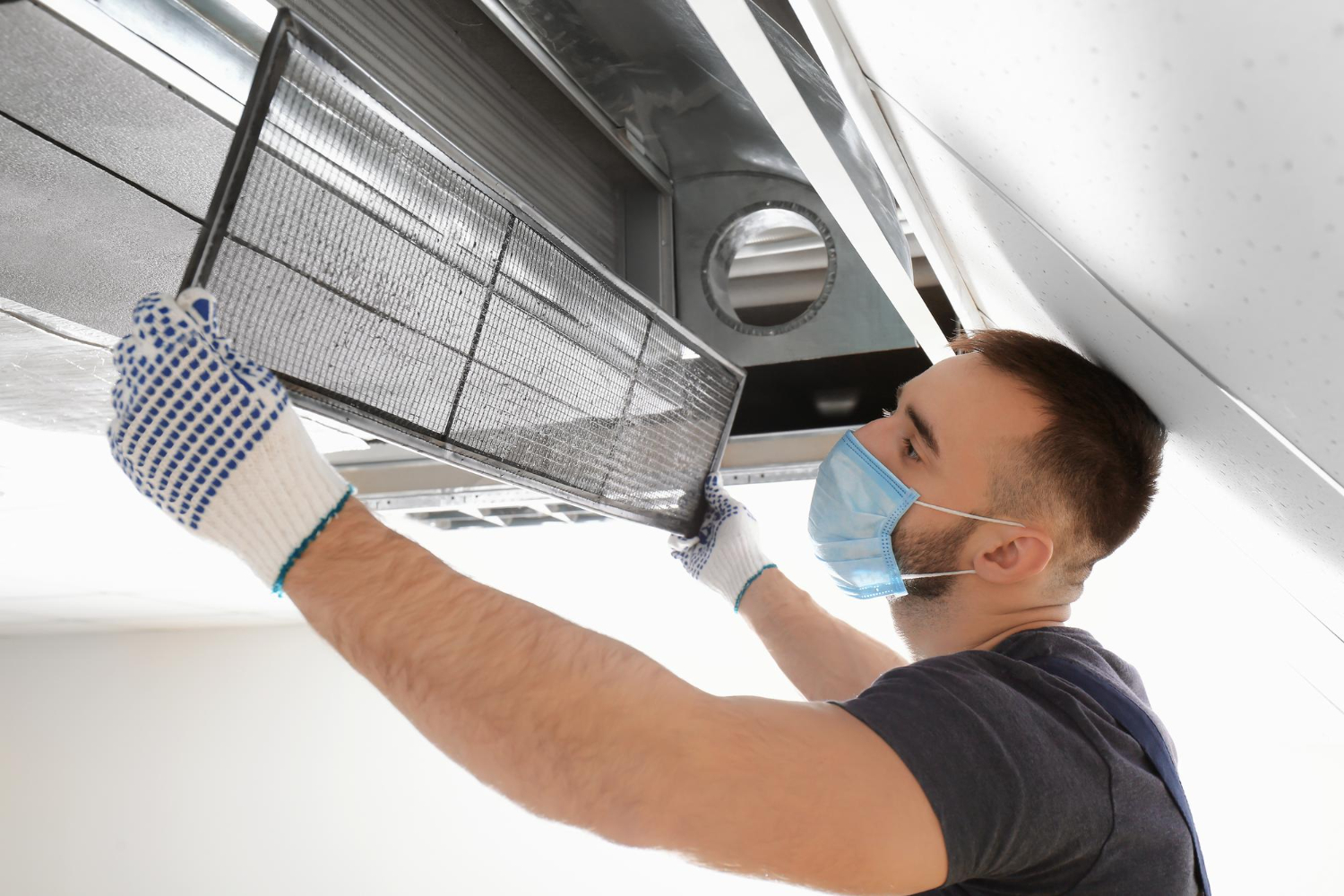
- Check the Air Filter: Turn off your system at the thermostat. Slide out your air filter and hold it up to a light source. If you cannot see light passing through the fibers, replace it immediately. Standard fiberglass filters need to be changed every 30 days, while high-quality pleated filters can last 60 to 90 days.
- Open All Vents and Grilles: Make sure you have not closed off vents in unused rooms. Closing more than 10% of your home’s registers builds up excessive static pressure in your ductwork, restricting airflow and causing the system to short-cycle. Keep furniture, rugs, and drapes clear of all supply and return vents.
- Clean the Outdoor Condenser: Head outside and inspect your outdoor unit. Clear away any tall grass, weeds, leaves, or shrubs within two feet of the metal cabinet. If the delicate aluminum fins are caked with dirt, pollen, or cottonwood seeds, it cannot release heat effectively. You can gently wash the dirt away with a garden hose, but do not use a pressure washer because it will bend the fins.
Regular upkeep is the best defense against these system failures. Seasonal AC maintenance gives a technician the chance to check refrigerant pressures, clean critical components, test electrical parts, and catch early short-cycling triggers before they damage the compressor. This is especially important for homes in Delaware County and Galena, where seasonal temperature swings put extra stress on your system.
When to Call a Professional for AC Short Cycling
If you have replaced your air filter, cleared your vents, and your system is still turning on and off every few minutes, it is time to call in a licensed professional.
Certain repairs require specialized tools and certifications. For example, handling chemical refrigerants requires an EPA Section 608 certification. If your system has a refrigerant leak, a technician must locate the leak, weld the copper line, evacuate the system, and recharge it with the precise weight of refrigerant.
Electrical diagnostic work also requires professional attention. Testing capacitors and contactors involves working with high-voltage electricity. A technician can safely test these parts and replace them before they cause permanent damage to your compressor.
If you live in the Columbus area and need expert help, many short-cycling calls involve the same warning signs covered in our overview of common AC issues in Columbus, including uneven cooling, unusual noises, weak airflow, and systems that run without keeping the home comfortable.
Frequently Asked Questions About HVAC Cycling
How do I know if my system is cycling too quickly?
A good rule of thumb is the 10-minute rule. If your air conditioner runs for less than 10 minutes at a time, or if you notice your home has large temperature swings and high humidity, your system is likely short cycling. Keep an eye on the thermostat; if the AC kicks on and off three or more times in a single 15-minute window, it needs professional attention.
Can a dirty filter cause AC short cycling?
Yes. A dirty filter blocks the warm return air from passing over your indoor evaporator coil. Without that warm air, the temperature of the coil drops below freezing. Moisture on the coil turns to ice, blocking the airflow entirely. This causes the high-pressure or low-pressure safety switches to trip, shutting down the compressor immediately to prevent motor damage.
How long should a normal cooling cycle last?
On a typical summer day in Ohio, a healthy, properly sized air conditioner should run for 15 to 20 minutes per cycle and start up two to three times per hour. During extreme heat waves, the system may run much longer, which is perfectly normal as it struggles to combat the intense outdoor heat.
Conclusion
AC short cycling is a serious issue that ruins your indoor comfort, spikes your utility bills, and wears out your system’s most expensive components. Whether the cause is a simple clogged filter, a misplaced thermostat, or an oversized unit, addressing the problem early will save you thousands of dollars in premature replacement costs.
At Aire-Flo Heating, Cooling & Generators, we have spent 75 years providing trusted, top-rated service to homeowners across the Columbus, Ohio area. We proudly serve communities throughout Central Ohio, including Dublin, Worthington, Hilliard, New Albany, and Gahanna. We back all of our work with a 100% satisfaction guarantee.
If your air conditioner is turning on and off too quickly, do not wait for a complete system breakdown. Contact our professional AC repair technicians today, and let our team restore comfort and efficiency to your home.