

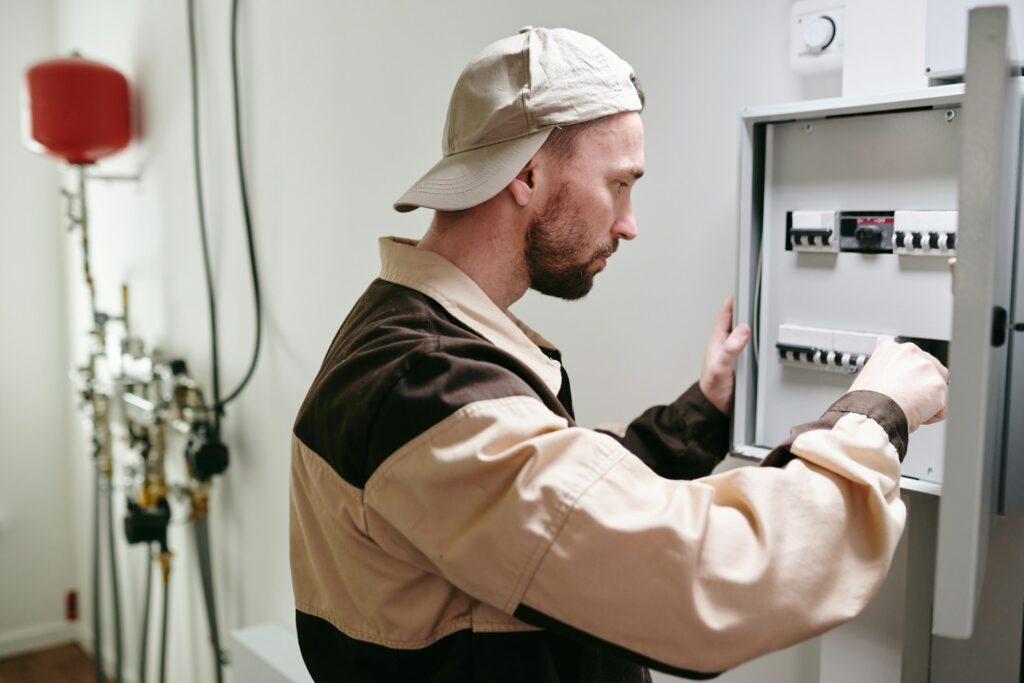
Whole House Backup Power System ensures your home stays powered when Ohio winters strike. In Columbus, Dublin, and Delaware, sudden snow, ice, or wind can knock out electricity for hours or even days. Losing power impacts more than lights; it can leave your furnace, fridge, and essential systems offline, creating uncomfortable and unsafe conditions.
Having a professionally installed whole-house backup power system gives you peace of mind. The system automatically starts during outages, keeping your home running smoothly. Generator installation services make sure the system is properly sized and installed to meet your home’s unique needs, protecting your family from winter surprises.
What a Whole House Backup Power System Does
A whole house generator is designed to take over for the local power grid when electricity gets knocked out. It’s always on standby. So the moment it senses a blackout, it starts up automatically, keeping needed systems running without any action from you. That includes heating during winter when homes in Central Ohio need to stay warm and safe.
Unlike small, portable generators that only support one or two appliances, a whole house system is built to connect with everything from the HVAC system to your kitchen and basement sump pump. It sends electricity through the home’s wiring just like utility power does, so you can go on living mostly as usual during an outage. That’s what makes it especially useful when cold winds or snowstorms knock out power across parts of Ohio, which happens more often in late fall and winter.
For homes where staying warm isn’t a luxury, it’s a safety issue, having one of these systems ready makes a big difference.
Main Components to Know About
While the setup might seem complicated at first glance, a whole house generator system is made of a few main parts that work together:
1. The Generator Unit – This is what creates electricity when it starts running during a blackout. It’s installed outside, like an AC condenser, and sits on a base or small concrete pad.
2. Automatic Transfer Switch – This device knows when your home loses power and flips the system over to generator-supplied energy. When regular power returns, it switches things back again.
3. Fuel Source – In most homes around Columbus and Dublin, generators run on natural gas or propane, depending on what’s available for the property.
4. Load Management – Bigger homes or more complex systems sometimes include load management tech that helps control which items run and when, so the generator doesn’t get overloaded.
These pieces work together quietly and automatically once they’re built into your system. While each part serves its own task, the overall goal is to bring your house back to life during an outage without you having to do anything.
For Central Ohio homes, Aire-Flo Heating, Cooling & Generators provides authorized sales and full installations for both standby and whole home generators, handling sizing, placement, and utility connections.
Electrical Load and Power Needs for Your Whole House Backup Power System
Not every appliance in your home needs power during an outage. Understanding your household’s electrical requirements is crucial for a whole house backup power system. The more devices you want running, including HVAC, water heater, washer, and dryer, the larger and more capable your generator must be.
It helps to think in terms of the basics. What must stay on during a power outage? For most families, the list often includes:
• Furnace or electric baseboard heaters
• Refrigerator and freezer
• Kitchen outlets for cooking or reheating
• Indoor lighting and chargers
• Basement sump pump, especially important during rain or melt
All of those add up to the total “load” your system has to handle. This is where generator installation services become important. Professional installers know how to calculate electrical loads and match the generator’s size and power level to your actual home needs so nothing gets underpowered or overstressed in the middle of cold weather.
At Aire-Flo Heating, Cooling & Generators, our experts help you determine the right generator based on your specific electrical requirements, local usage patterns, and type of heating system.
Local Requirements and Installation Considerations
Installing a whole house backup system in Central Ohio means thinking carefully about a few local factors. Winters get cold and snowy, and heavy winds aren’t uncommon. That means placement and weather-resistance matter. The system’s outside parts need to be set up where drifting snow won’t block airflow or cover exhaust openings.
Most towns, including Dublin and Delaware, have zoning guidelines about where generator units can go. There are rules about how far they should be from homes, neighbor property lines, and other systems like AC coils or gas meters.
Fuel hookup is another big piece of the puzzle. If you have natural gas, the line has to support both the generator and your usual home appliances. Propane setups often require large tanks to handle multi-day outages.
That’s why this work calls for generator installation service from people who understand how local codes, utilities, and weather patterns affect the job. It’s not only about putting in the equipment. It’s about getting it running safely and reliably for winter and beyond.
Keep Power Ready with Your Whole House Backup Power System
Winter in Central Ohio can be unpredictable, and a single cold front can bring sudden changes overnight. A whole house backup power system ensures your home stays warm and safe, whether outages last a few hours or extend longer.
The best time to prepare is before the cold arrives. Being ready starts with knowing what kind of generator setup makes sense, where it should go, and what systems matter most. Whole home backup systems take the guesswork out of blackouts, keeping your heat, appliances, and lights working when everything else goes dark.
Planning and setup may seem like a lot at first, but when the weather gets rough, it pays off. Winter in places like Columbus, Delaware, and Dublin is a lot less stressful when you’re not wondering whether the power will stay on. With a well-fit system built to handle what your home really needs, you worry less and stay warmer when it counts.
Preparing your home for winter outages is easier with expert planning on your side. We help families in Columbus, Dublin, and Delaware choose the right backup solutions and keep them running safely year-round. Our approach to generator installation services considers your home’s layout, specific power needs, and local weather conditions. At Aire-Flo Heating, Cooling & Generators, we believe smart preparation keeps you comfortable and safe no matter the season. Call us today to get started on your generator installation.